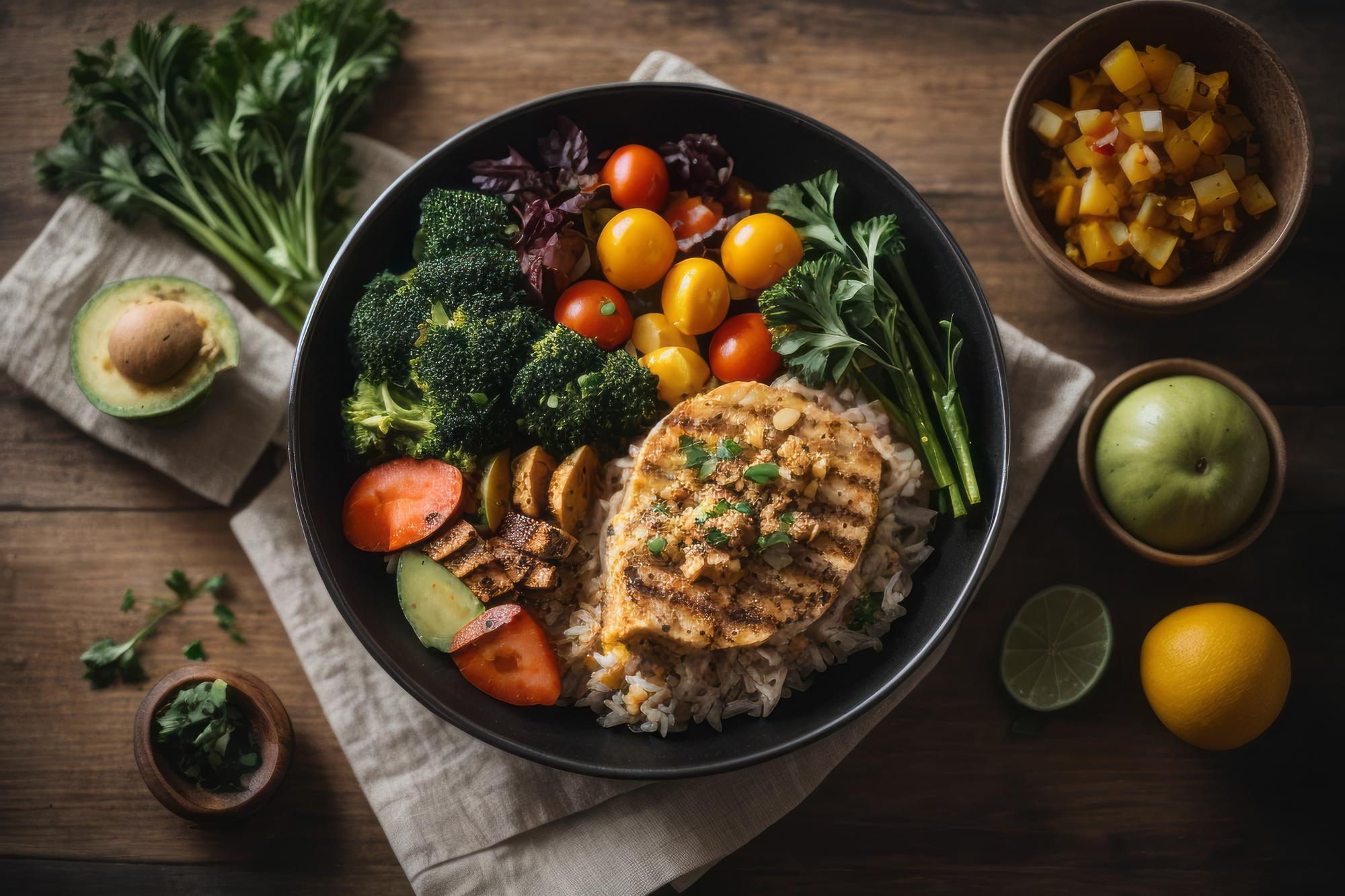
Healthy eating · 9 min
How to Build a Balanced Plate for Everyday Meals
A visual framework for combining vegetables, protein-rich foods, grains, fats and fruit.
Read the guide →Explore clear guides on healthy eating, vegetables and fruits, meal planning, everyday nutrition, weight balance, sport and sustainable habits. Every article is written in friendly British English and grounded in ordinary routines.
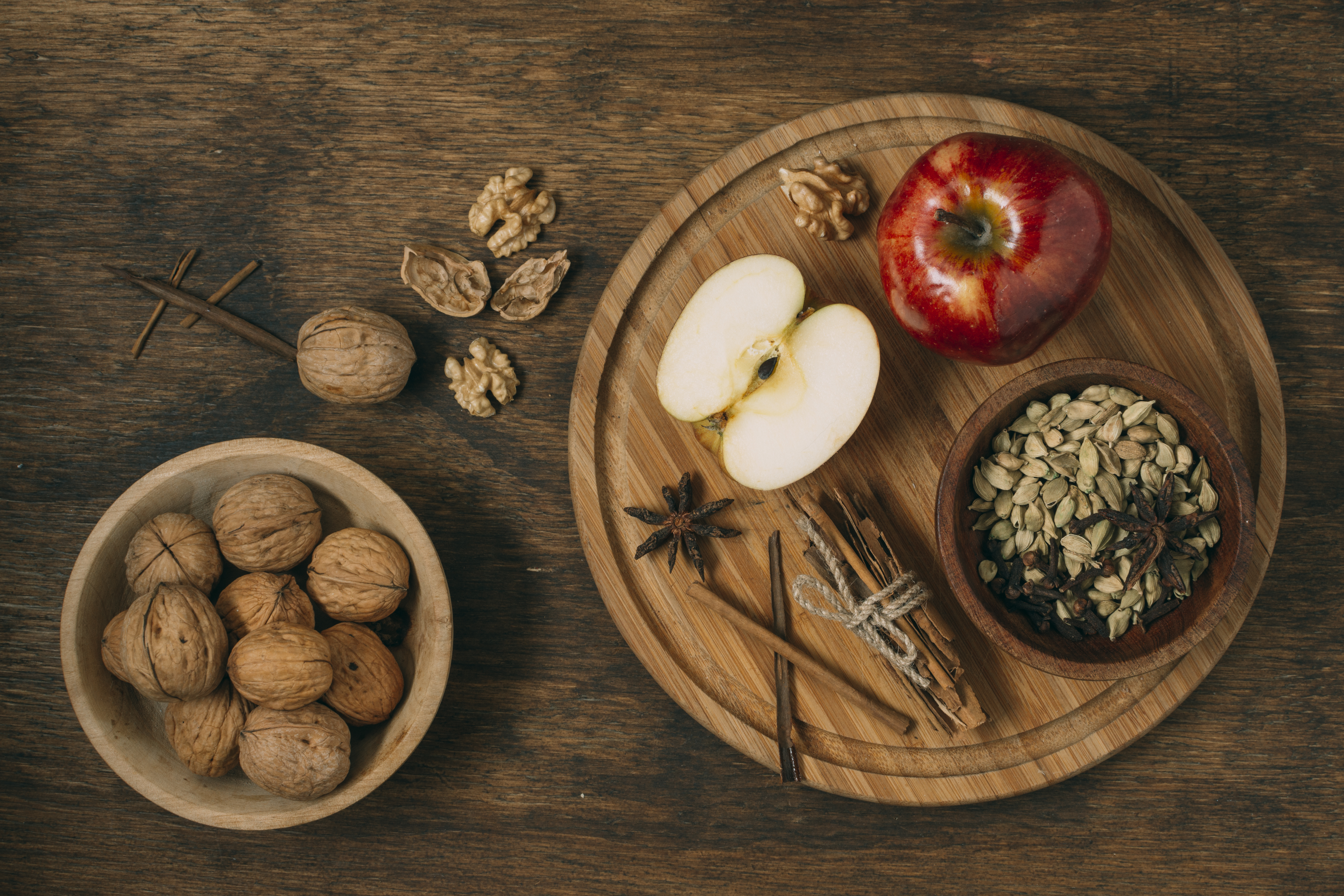
A visual framework for combining vegetables, protein-rich foods, grains, fats and fruit.
Read the guide →Choose flexible building blocks that can move between salads, wraps, bowls, soups and simple tray meals.
A practical way to keep produce available while reducing pressure to shop every few days.
Simple reflection prompts that support mindful eating without turning every meal into an assessment.
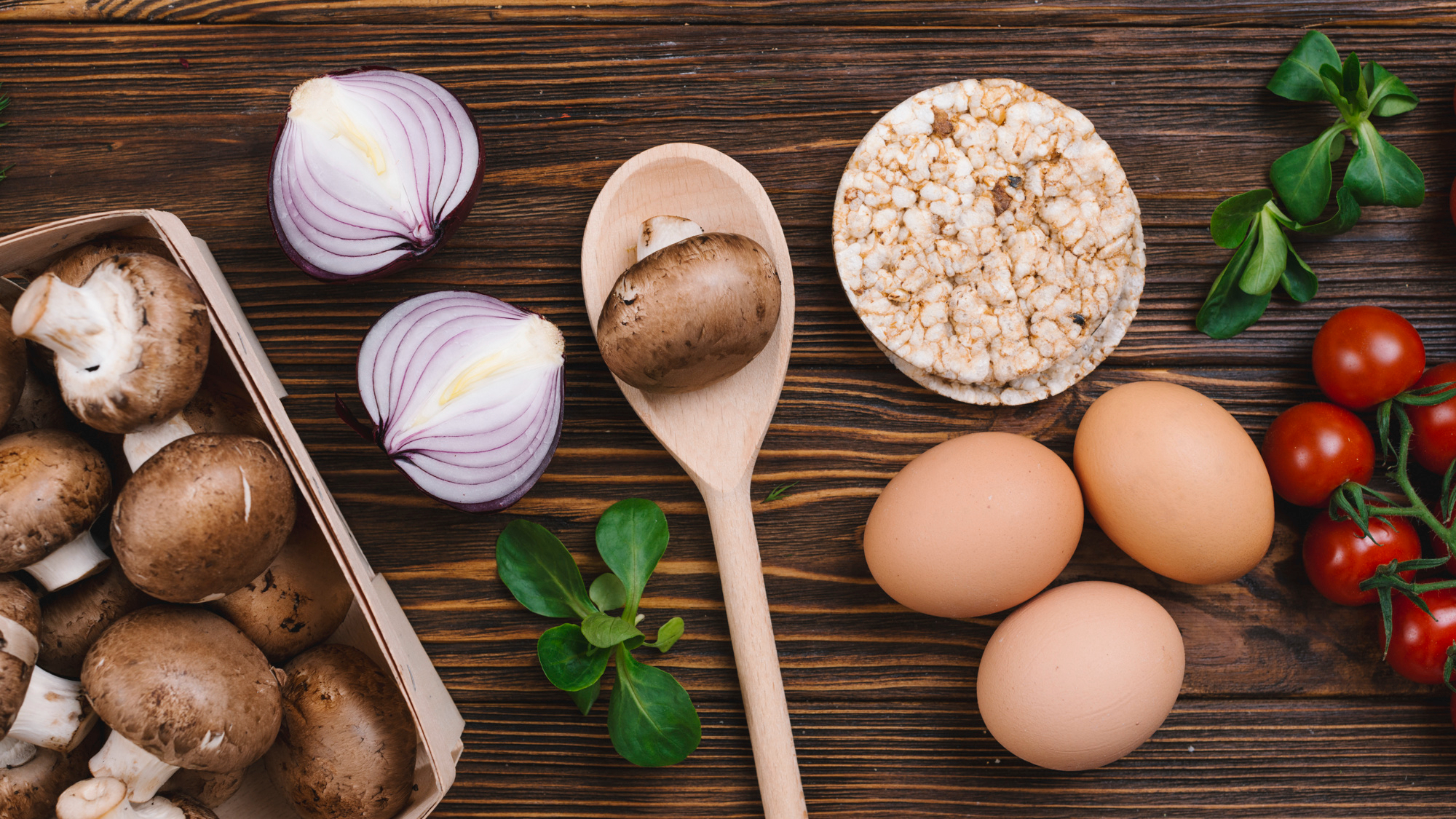
Plan portable options and regular eating opportunities around commutes, walks and sport.
Review the fridge, identify ingredients to use first and choose three meals that fit the week ahead.
Balanced eating is easier to understand when it is connected to familiar meals. Our articles explore breakfast combinations, lunch structures, simple evening plates and ways to add produce without rebuilding the whole recipe.
Oats, yoghurt, fruit, eggs, toast and leftovers can all fit different mornings.
Use a grain, protein-rich food and vegetables as a flexible starting point.
Build around one pan, one tray or a set of prepared basics.
Food can remain social, pleasurable and adaptable within a wider pattern.
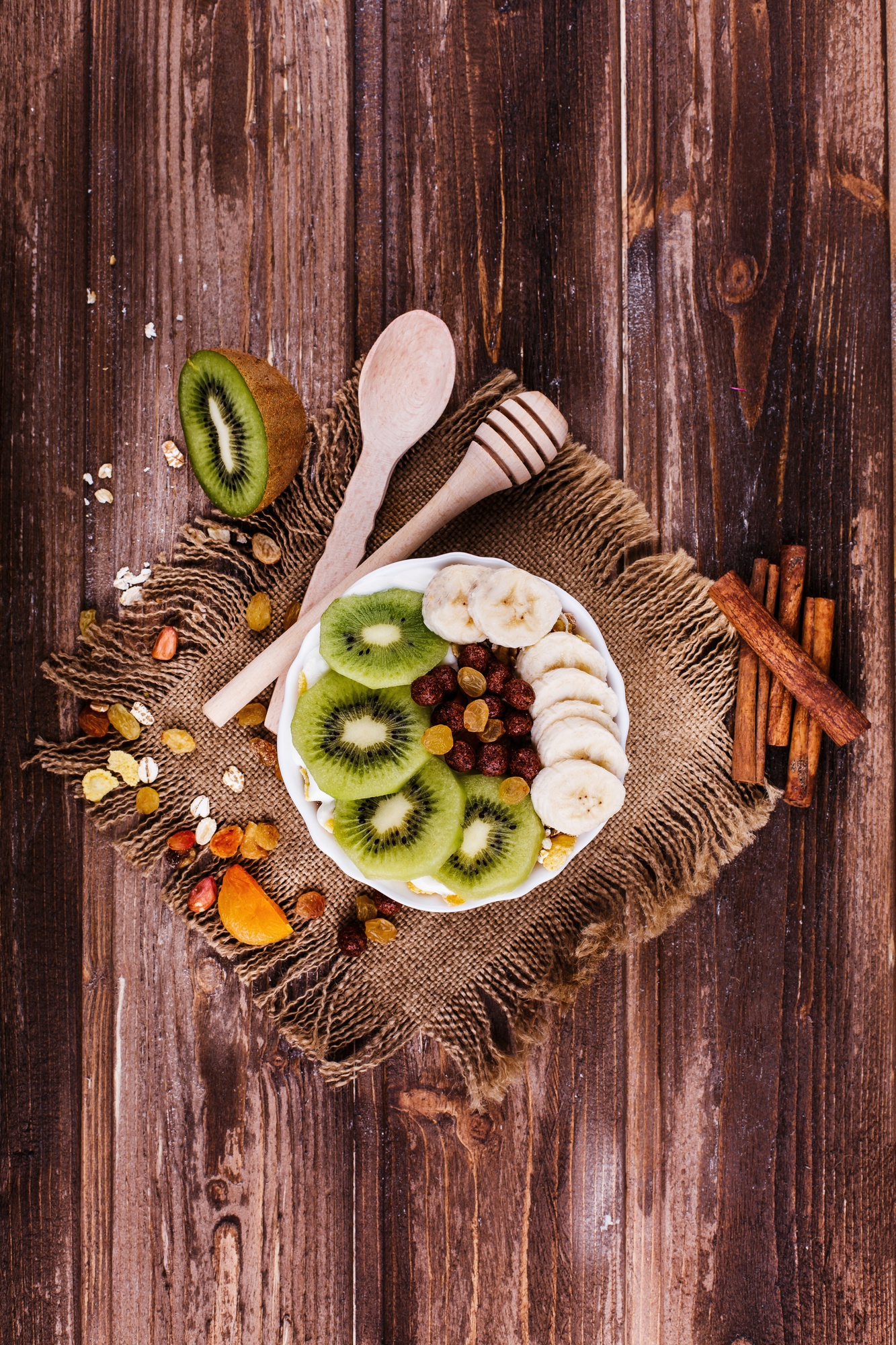
Start with the commitments already in the diary. Mark late workdays, active evenings and meals away from home. Then choose food ideas that match the available time, using seasonal ingredients and a short list of reliable staples.
Choose three main meals and two flexible options.
Write a shopping list by produce, protein-rich foods, grains and household basics.
Prepare one or two ingredients in advance rather than every finished meal.
Physical activity can be a walk, active travel, a class, a gym session, gardening or sport. Food planning becomes more useful when it considers timing, portability and the appetite that different days bring.
Consider how long it has been since a meal and whether a familiar snack would be practical.
A bottle on the desk or in a bag can make regular drinking easier to remember.
A planned meal or prepared ingredient reduces the need to decide while tired and hungry.
Regular eating, attentive portions, varied ingredients and enjoyable movement can form a steadier framework than strict short-term rules. Progress can be reviewed through energy, routine, confidence and practical consistency, not a single measure alone.
Habits are often supported by the environment. Put fruit where it is visible, keep frequently used grains together, store prepared vegetables at eye level and place reusable containers near the food you pack for work.