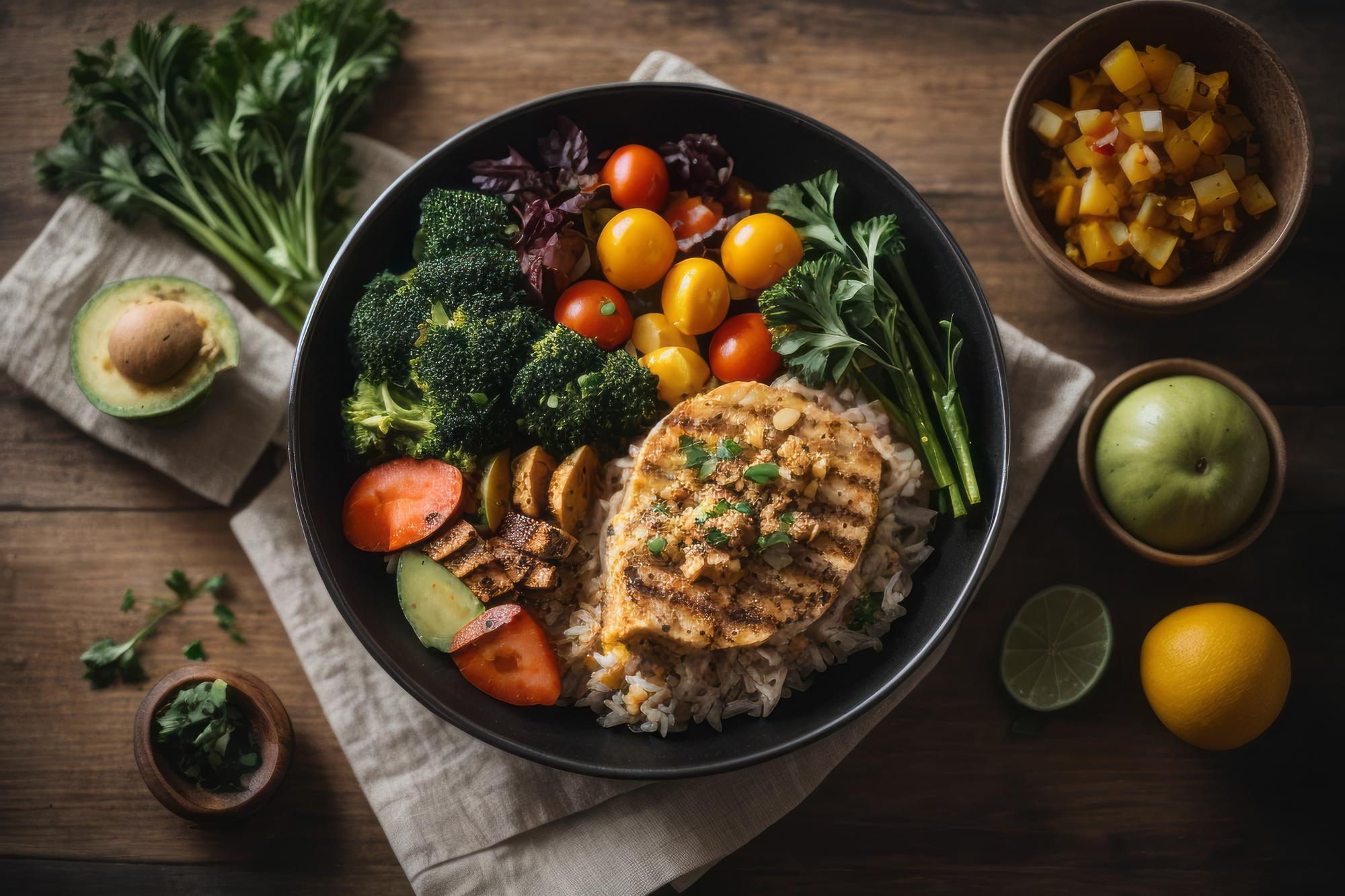
Think of the plate as a flexible visual prompt rather than an exact formula. Some meals will be neatly divided; others will be mixed together in a curry, pasta dish, stew, sandwich or bowl. The same basic components can still be present.
1. Start with Vegetables
Vegetables can bring colour, flavour, texture and variety to a meal. Fresh options are useful, but frozen and tinned vegetables can be just as practical for a busy week. Peas, spinach, mixed vegetables, sweetcorn, tomatoes and roasted vegetables can all make a simple base feel more complete.
You do not need to use many varieties in one meal. One generous vegetable, a mixed salad or two smaller options can be enough to create contrast. Think about the cooking method as well: raw cucumber adds crunch, roasted carrots add sweetness and lightly cooked greens add softness.
2. Add a Protein-Rich Food
Protein-rich foods add substance and can help a meal feel satisfying. Familiar choices include eggs, fish, poultry, beans, lentils, yoghurt and other foods that suit your preferences. The best option is often the one that fits the dish and the time available.
Beans can be stirred into a tomato sauce, eggs can sit beside toast and vegetables, lentils can add texture to soup, and yoghurt can be used with oats or fruit. Variety across the week keeps meals interesting and gives you more ways to use what is already at home.
3. Choose a Grain or Starchy Food
Oats, rice, potatoes, wholegrain bread, pasta and other grains can form the practical foundation of a meal. They can be cooked in batches, used in different formats and combined with both warm and cold ingredients.
Choose the amount according to appetite and the rest of the day. A long walk, active job or sport session may shape the meal differently from a quiet day at home. There is no need for every plate to look exactly the same.
4. Include a Source of Fat
Olive oil, seeds, nuts and avocado are familiar ways to add flavour and texture. A drizzle of oil can finish roasted vegetables, seeds can add crunch to porridge, and nuts can work with yoghurt or fruit.
Fat may already be part of the cooking process or another ingredient, so it does not always need a separate place on the plate. The goal is awareness of the whole meal rather than adding every component twice.
5. Add Fruit When Appropriate
Fruit can be included with breakfast, as part of a meal or as a convenient snack. Berries with porridge, an apple beside lunch or sliced pear with yoghurt are simple examples. Fresh, frozen and tinned options can all support variety when chosen to suit the meal.
Fruit does not need to appear at every eating occasion. Use it where it feels practical and enjoyable, and rotate choices with the seasons or what offers good value.
6. Adjust the Meal to Your Day
Meal size and ingredients may change with appetite, schedule and physical activity. A breakfast before a quiet morning may differ from one before a long commute. An evening meal after sport may need to be planned earlier so that a satisfying option is ready.
Consider three questions: How hungry am I? How long until the next meal? What does the rest of the day involve? These questions make the plate framework responsive rather than rigid.
7. Balanced Plate Examples
Use these combinations as starting points rather than fixed recipes. Swap ingredients according to season, preference and what is already available.
- Porridge with yoghurt, berries and seeds.
- Wholegrain toast with eggs and vegetables.
- Rice with chicken and mixed vegetables.
- Baked potatoes with beans and a fresh salad.
- Pasta with vegetables and a protein-rich ingredient.
- Yoghurt with fruit, oats and nuts.
Keep the framework, change the ingredients
A balanced plate is most useful when it reduces pressure. Focus on variety, regular meals and realistic habits rather than perfection. The meal in front of you does not need to represent the whole week; it only needs to fit within a broader, flexible pattern.
This guide is provided for informational purposes only and does not constitute individual recommendations. Personal food needs and preferences can vary.